
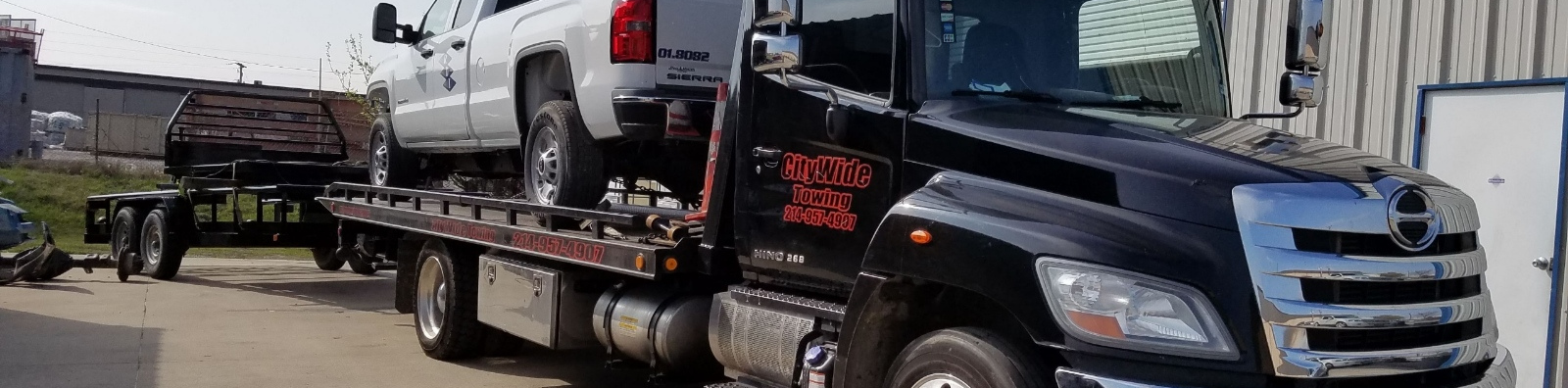
Citywide Towing of Greater Dallas, TX
24/7 Towing & Emergency Roadside Assistance
Welcome to Citywide Towing Service, your professional towing specialists in Dallas County, Texas and surrounding areas.
24/7 Flatbed, Wheel Lift & Dolly Tows for Cars, Trucks, Vans & Motorcycles!
At Citywide Towing Service, we proudly offer reliable towing services at competitive rates in cities such as Addison, Balch Springs, Carrollton, Cedar Hill, Cockrell Hill, Combine, Coppell, Dallas, DeSoto, Duncanville, Farmers Branch, Ferris, Garland, Glenn Heights, Grand Prairie, Grapevine, Highland Park, Hutchins, Irving, Lancaster, Lewisville, Mesquite, Ovilla, Richardson, Rowlett, Sachse, Seagoville, Sunnyvale, University Park, Wilmer and Wylie. Contact us for all your towing and roadside assistance needs!
***PLEASE NOTE: WE DO NOT IMPOUND VEHICLES***
Towing Services Menu
Family owned and operated, licensed and insured for your complete protection and peace of mind, Citywide Towing provide a comprehensive range of towing services to Greater Dallas, TX including:
• 24/7 Emergency Towing Services
• Car & Truck Towing
• Medium Duty Towing
• Heavy Duty towing – including Diesel Trucks, Motor homes, RV’s & Commercial Vehicles
• Motorcycle Towing
• Local Towing
• Long Distance Towing
• Auto Wrecker Services
• Fast Accident Response
• Winchouts
• Auto Recovery Services
WE ARE HIRING!
Citywide Towing Service is looking to hire a flatbed and medium duty tow truck driver. Serious inquiries only.
Call Rick at (214) 957-1208.
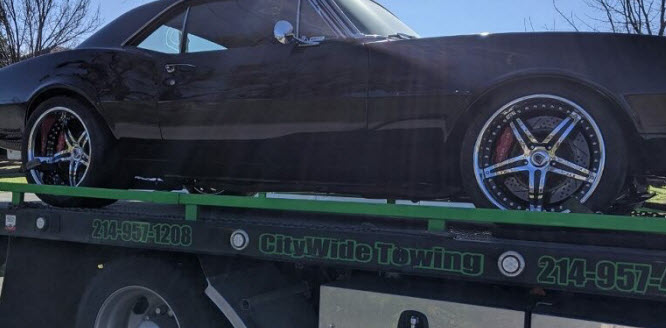
Flatbed & Wheel Lift Towing
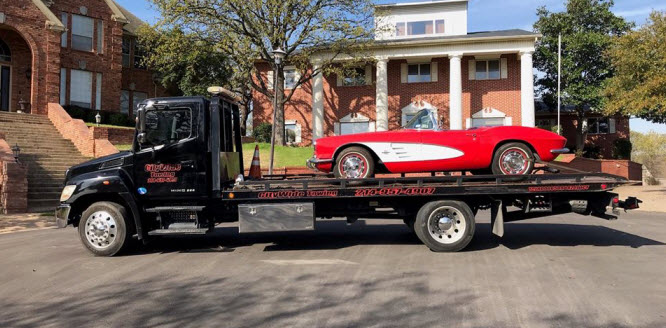
We provide quality flatbed and wheel lift towing services for cars, trucks, vans, SUVs, motorcycles, commercial automobiles, heavy duty vehicles and much more! At Citywide Towing Service, our fleet of tow trucks are well maintained and our knowledgeable service providers are well trained and experienced.
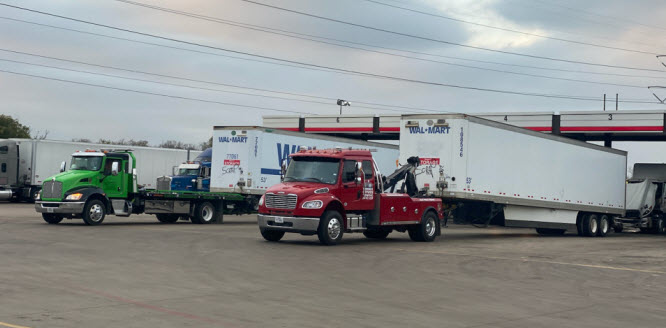
Heavy Duty Towing
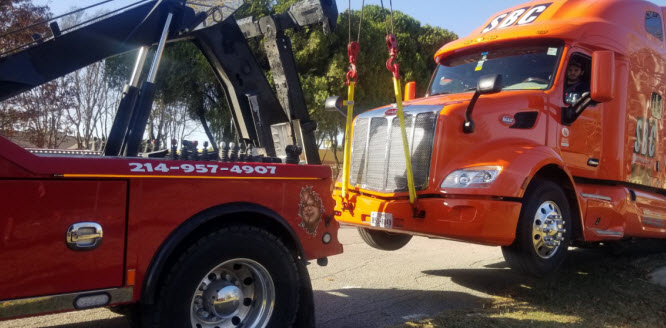
Citywide Towing Services are a cut above our competitors when it comes to providing heavy duty towing services. We tow commercial trucks, RV’s, motorhomes and other heavy duty vehicles and containers. Our 24/7 emergency services means that we can be counted on to deliver fast and efficient towing services when you need them the most.
Emergency Roadside Assistance Services in Garland, Texas & Surrounding Areas
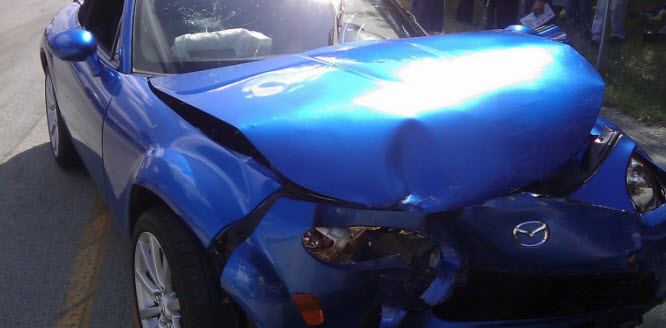
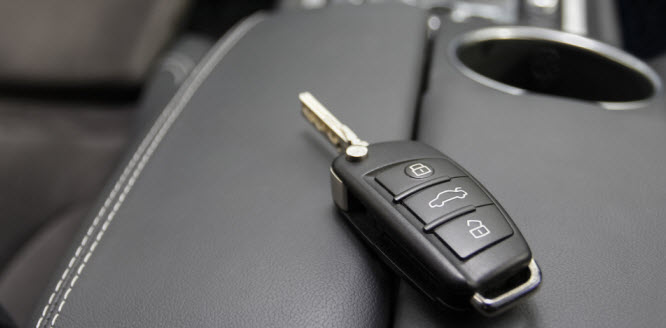
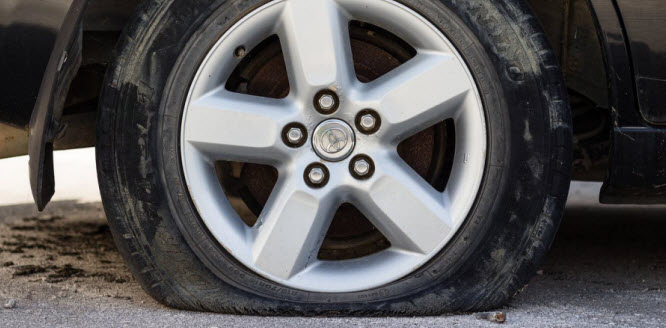
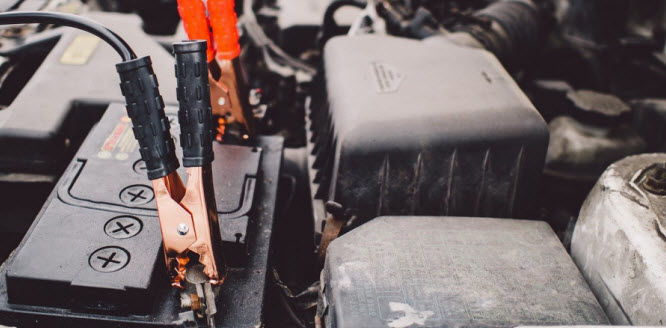
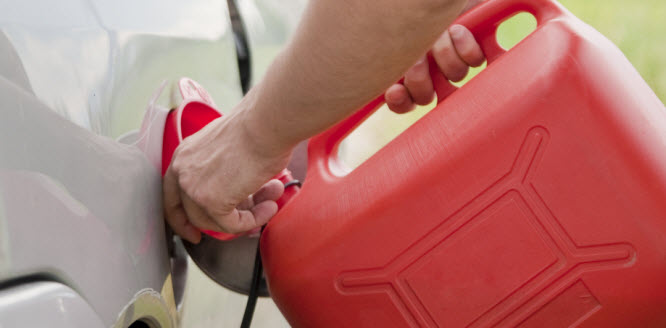
At Citywide Towing, we offer quality road side services to motorists in Greater Dallas, Texas at affordable price points. Our service providers will arrive promptly to offer you premium 24/7 roadside assistance services including flat tire repair, fuel service, jump start, lockout service and much more when you need us the most. Involved in an accident? Don’t panic, we can safely move your vehicle and tow it to the location of your choice. If your battery isn’t working and you require your vehicle to be towed to your mechanic, we can assist you.
Roadside Assistance Services Menu
Fast Response for Car Breakdowns & Accidents
When it comes to vehicles, anything can happen from car breakdowns to accidents. You can rely on the experts at Citywide Towing to help you when you are in a bind. We guarantee prompt, friendly professional services that won’t break the bank. At Citywide Towing we strive to ensure that all emergencies are taken care of quickly by providing well trained and experienced drivers, towing specialists and service providers. Our caring personnel understand that you are in a stressful situation and will respond with professionalism and caring compassion. We offer fast accident response!
Long Distance Flatbed Tow Truck Services
Citywide Towing provides long distance towing services for lightweight and medium duty vehicles. Generally speaking, long distance towing is considered 100 miles or more. The best method of transporting vehicles long distances involves the use of flatbed truck which will eliminate expensive wear and tear on your vehicle. At Citywide Towing, we understand that moving a vehicle requires care and precision. We treat every vehicle the way we would our own and we make sure all of our tows are completed the right way. We take our commitment to each customer seriously so you can be assured that when we move your vehicle, your vehicle is in the best possible hands.
Stranded Motorists; Contact Us for All Your Road Side Needs!
For more information regarding 24/7 Emergency Towing, Light, Medium & Heavy Duty Towing, Car, Truck, Van & Motorcycle Towing, Local & Long Distance Towing, Roadside Assistance and more in Dallas County, Texas, contact the knowledgeable experts at Citywide Towing today.
