
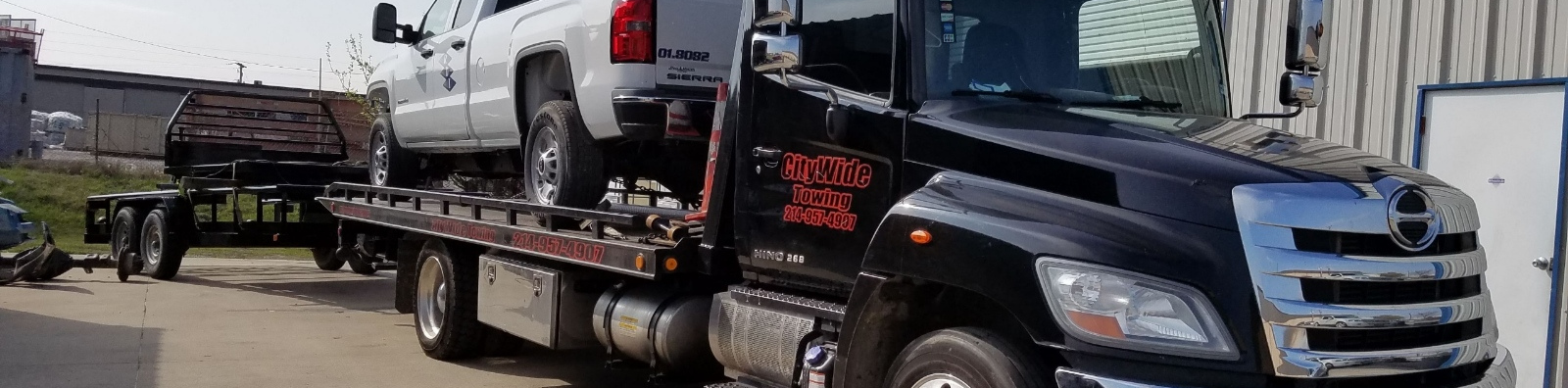
Winter storms can create some of the most dangerous driving conditions of the year, leaving many drivers wondering what to do if their vehicle breaks down or slides off the road. When visibility drops, temperatures fall and the roads become slick with snow or ice, knowing whether you can call for towing becomes especially important. Understanding how towing works during severe weather can help you stay safe and prepared if you ever find yourself stranded in a snowstorm. In this blog post, the experts from Citywide Towing Service explore this further.
Towing Services Operate in Most Winter Conditions
Most towing companies continue to operate throughout winter storms because they know drivers rely on them during emergencies. Tow truck operators are trained to handle hazardous conditions, from icy roads to low visibility. Even during active snowfall, many companies will dispatch help as long as it is safe for their drivers to travel. However, response times can be longer than usual due to weather delays, slower driving speeds and an increase in emergency calls.
When Towing May Be Delayed or Restricted
There are times when towing services may be temporarily unavailable, especially during extreme or rapidly worsening storms. If roads are closed, if visibility drops to unsafe levels or if emergency services request that tow trucks stay off the road, companies must follow those restrictions. Safety will always come first, and in some cases, tow truck drivers may not be allowed to respond until conditions improve. This means you might have to wait longer than expected, but it ensures everyone stays out of harm’s way.
What to Expect When You Call for Assistance
If you call for a tow during a snowstorm, the dispatcher will ask questions to determine your location, your vehicle’s situation and any safety concerns. Providing as much detail as possible helps them prepare the correct equipment and send the right type of truck. You may be advised to stay inside your vehicle if it is safe, or to move to a secure location if the car is in a dangerous spot. Patience is essential during snowstorms, as operators may be helping multiple drivers facing urgent issues.
Staying Safe While Waiting for the Tow Truck
Your safety is the top priority while waiting for help to arrive. Keeping your hazard lights on, staying visible to passing drivers and conserving your phone battery will help you stay prepared. If your car still has heat, running it intermittently can help you stay warm, but always crack a window and ensure the tailpipe is clear of snow to prevent carbon monoxide buildup. Remaining calm and aware of your surroundings can make the wait more manageable and much safer.
Towing Service, Roadside Assistance & More in Addison, Balch Springs, Carrollton, Cedar Hill, Cockrell Hill, Combine, Coppell, DeSoto, Farmers Branch, Ferris, Garland, Glenn Heights, Grapevine, Highland Park, Hutchins, Lancaster, Lewisville, Ovilla, Richardson, Rowlett, Sachse, Seagoville, Sunnyvale, University Park, Wilmer, Wylie, Duncanville, Grand Prairie, Arlington, Irving, Mesquite & Greater Dallas, Texas
While towing services are available in most snowstorms, being prepared can help reduce stress in an emergency. Keeping an emergency kit, charging your phone before traveling and knowing the contact information for a reliable towing company can make all the difference. Winter weather can be unpredictable, but understanding how towing works during a snowstorm ensures you’re ready for whatever conditions come your way. Be prepared for winter driving emergencies by saving Citywide Towing Service’s phone number in your phone. Call Citywide Towing Service for any towing needs.
