
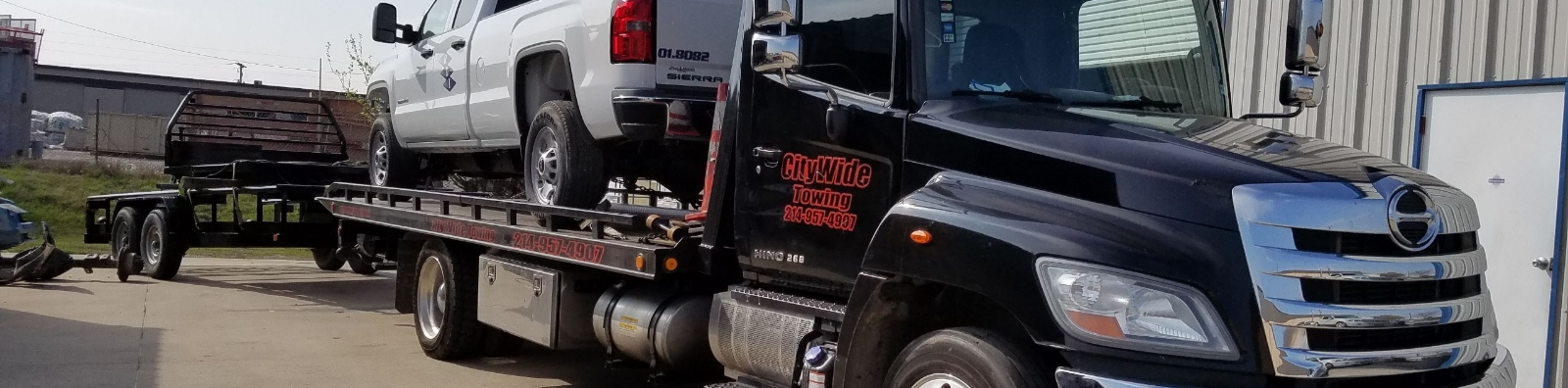
When a vehicle breaks down on the road, the way it is transported afterward can make a major difference in whether it arrives at the repair shop in the same condition or with additional damage. Flatbed towing has become one of the most recommended methods for vehicle recovery because it significantly reduces the risk of further wear, mechanical strain, and cosmetic damage during transport. Today, we at Citywide Towing Service would like to share how flatbed towing helps prevent further damage after a breakdown.
Why Flatbeds Are Safer Than Traditional Towing Methods
Unlike traditional tow trucks that lift only two wheels off the ground, a flatbed tow truck carries the entire vehicle on a level platform. This simple difference in design is what makes it one of the safest towing options available. When a broken-down vehicle is partially dragged or rolled on its own wheels, even small amounts of movement can worsen existing mechanical issues. A flatbed eliminates that risk entirely by keeping all four wheels stationary for the entire trip.
Preventing Drivetrain Strain & Transmission Issues
One of the biggest ways flatbed towing prevents additional damage is by protecting the drivetrain. Vehicles with front-wheel drive, rear-wheel drive, or all-wheel drive systems are especially vulnerable when towed incorrectly. If a drivetrain continues to move while the engine is off or damaged, it can lead to transmission strain or internal component wear. This can turn a simple breakdown into a much more expensive repair. With flatbed towing, the wheels do not rotate, so the drivetrain remains fully inactive and protected.
Reducing Stress on Suspension & Alignment Systems
Flatbed towing also helps prevent suspension and alignment problems from getting worse. After a breakdown, a vehicle may already be sitting at an awkward angle due to a flat tire, axle issue, or suspension failure. Dragging or lifting such a vehicle using traditional methods can place uneven stress on already weakened components. Loading the vehicle onto a flat surface removes this stress and keeps the car stable throughout transport.
Avoiding Road Hazards During Transport
Another important benefit is protection from road hazards during towing. When a vehicle is partially exposed on the road, even during a short tow, it can still be affected by potholes, debris, or uneven pavement. These impacts can worsen damage to tires, wheels, or undercarriage parts. A flatbed keeps the entire vehicle elevated and isolated from road conditions, ensuring it is not subjected to additional shocks or vibrations.
Ideal Protection for Modern & Low-Clearance Vehicles
Flatbed towing is also especially valuable for modern vehicles equipped with low ground clearance, advanced sensors, or delicate body panels. Cars today are built with more technology and sensitive components than ever before. Even minor scraping or incorrect towing angles can damage bumpers, spoilers, or sensor systems. A flatbed allows the vehicle to be loaded using a controlled ramp system, minimizing contact and reducing the chance of scraping or impact damage.
Secure Transport That Prevents Shifting & Secondary Damage
In breakdown situations where a vehicle is already compromised, stability during transport is critical. Flatbed tow trucks secure the vehicle using heavy-duty straps and wheel chocks, preventing any shifting or movement while in transit. This stability ensures that existing damage does not spread and that no new issues develop from bouncing, swaying, or improper positioning.
Prevention Over Repair Costs
Ultimately, flatbed towing is about prevention. While it is often chosen for convenience or vehicle type, its greatest advantage is its ability to stop a bad situation from becoming worse. Whether a vehicle has suffered engine failure, transmission trouble, a collision, or a simple roadside breakdown, transporting it on a flatbed ensures it reaches its destination safely and without additional damage. Call Citywide Towing Service when you need safe and reliable towing in Dallas, TX and surrounding areas.
