
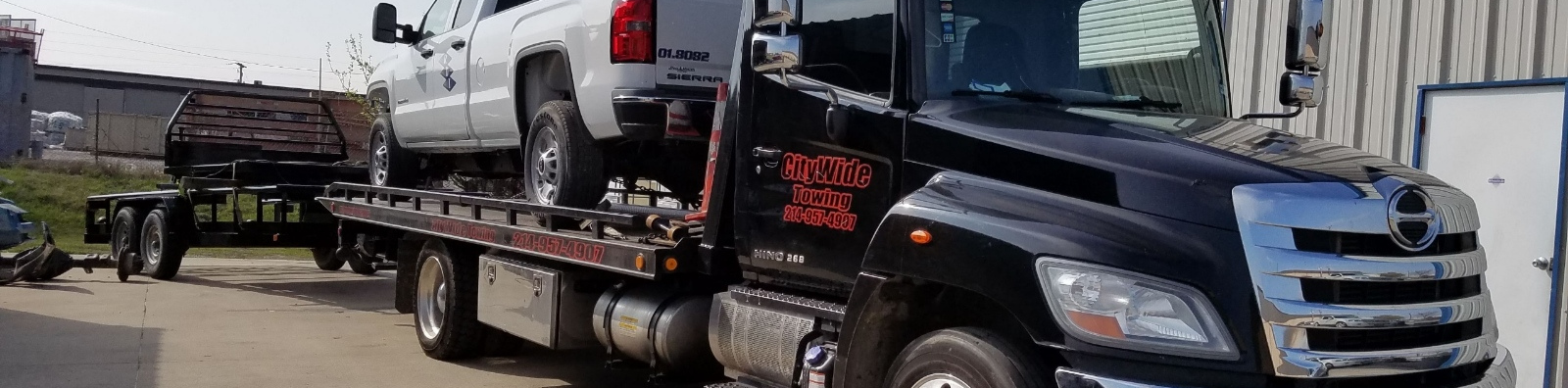
Car trouble can strike at the most inconvenient times, and one of the most common issues drivers face is a dead battery. Whether it’s caused by leaving the headlights on, cold weather, or an aging battery, finding yourself with a car that won’t start can be frustrating. Fortunately, knowing what to do when you need a jump start can get you back on the road quickly and safely. In this blog post, the experts from Citywide Towing Service share professional advice.
Recognizing the Signs of a Dead Car Battery
Before you attempt to jump-start your car, it’s important to make sure the battery is actually the problem. If you hear a clicking sound when turning the key, notice dim dashboard lights, or see that the engine doesn’t even attempt to turn over, the battery is likely drained. On the other hand, if your headlights work but the engine still won’t start, the issue might be with your starter or alternator instead. Recognizing these signs can help you determine whether a jump start is the right solution.
Preparing for a Safe Jump Start
Once you confirm that the battery is the issue, safety should be your first concern. Move your vehicle to a safe location away from heavy traffic, and turn off the ignition. If you have jumper cables and access to another vehicle with a charged battery, you’re ready to begin. Make sure both cars are parked close enough for the cables to reach but not touching each other. Always inspect your jumper cables for damage or corrosion before use to avoid electrical hazards.
Connecting the Jumper Cables
Properly connecting the cables is crucial to avoid injury or damage to your vehicle. Attach the red clamp to the positive terminal of the dead battery, then connect the other red clamp to the positive terminal of the charged battery. Next, attach the black clamp to the negative terminal of the working battery and the final black clamp to an unpainted metal surface on the car with the dead battery—never to its negative terminal. This step grounds the connection and prevents sparks near the battery.
Starting the Vehicles
Once the cables are properly connected, start the engine of the working vehicle and let it run for a few minutes. Then, try starting your car. If it doesn’t start immediately, wait a few more minutes before trying again. Once your car starts, leave both vehicles running for several minutes to allow the dead battery to recharge. Carefully remove the cables in the reverse order that you connected them, being sure not to let the clamps touch.
After the Jump Start
After successfully starting your car, it’s important to keep the engine running for at least 20 to 30 minutes or take a short drive to help recharge the battery. However, if the car fails to start again later, the battery may be too old or damaged to hold a charge. In that case, it’s best to have it tested or replaced by a professional.
Towing Service, Roadside Assistance & More in Addison, Balch Springs, Carrollton, Cedar Hill, Cockrell Hill, Combine, Coppell, DeSoto, Farmers Branch, Ferris, Garland, Glenn Heights, Grapevine, Highland Park, Hutchins, Lancaster, Lewisville, Ovilla, Richardson, Rowlett, Sachse, Seagoville, Sunnyvale, University Park, Wilmer, Wylie, Duncanville, Grand Prairie, Arlington, Irving, Mesquite & Greater Dallas, Texas
Having jumper cables or a portable jump starter in your car can save you time and stress in future emergencies. Regularly checking your battery’s condition and ensuring that terminals are clean and corrosion-free can help prevent future issues. By staying prepared and understanding how to safely perform a jump start, you’ll be ready to handle one of the most common car problems with confidence. In some cases, calling the professionals is the best solution to ensure no further harm to your vehicle. You can call Citywide Towing Service next time the issue arises.
